Purple grapes sit quietly in your fruit bowl, but the science behind them tells a powerful story. These deep-hued berries pack a concentration of anthocyanins, resveratrol, and quercetin that most fruits simply cannot match. Researchers across leading nutrition journals confirm what traditional cultures understood for centuries — purple grapes deliver measurable, real-world health benefits that go far beyond simple sweetness.
This guide breaks down 12 of those benefits, each grounded in published research, so you know exactly what you get every time you reach for a bunch of purple grapes.
What Makes Purple Grapes Nutritionally Unique?
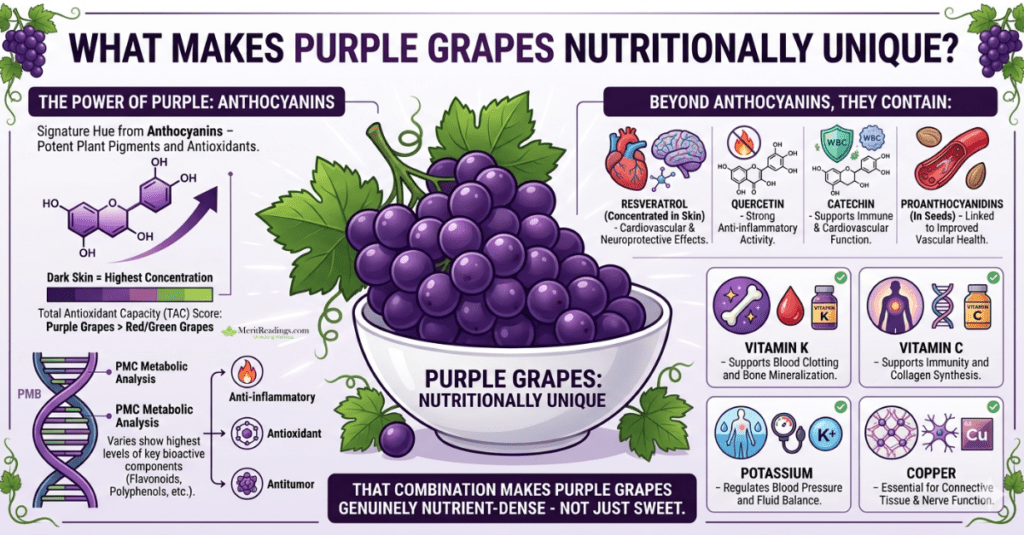
The color of a grape tells you more than you think. Purple grapes get their signature hue from anthocyanins — plant pigments that double as potent antioxidants. The darker the skin, the higher the anthocyanin concentration. Purple and Concord varieties consistently score higher on total antioxidant capacity (TAC) tests than red or green grapes.
A comprehensive metabolic analysis published in PMC confirmed that purple grape varieties carry the highest levels of key bioactive components — including flavonoids, pentacyclic triterpenes, and polyphenols — compared to grapes of any other color. These compounds drive the anti-inflammatory, antioxidant, and antitumor properties that make purple grapes stand apart.
Beyond anthocyanins, purple grapes contain:
- Resveratrol — concentrated in the grape skin, known for its cardiovascular and neuroprotective effects
- Quercetin — a flavonoid with strong anti-inflammatory activity
- Catechin — a flavan-3-ol that supports immune and cardiovascular function
- Proanthocyanidins — found in seeds, linked to improved vascular health
- Vitamin K — supports blood clotting and bone mineralization.
- Vitamin C — supports immunity and collagen synthesis.
- Potassium — regulates blood pressure and fluid balance.
- Copper — essential for connective tissue and nerve function
That combination makes purple grapes genuinely nutrient-dense — not just sweet.
Anthocyanins: The Pigment That Powers Purple Grapes
Anthocyanins belong to the flavonoid family and represent one of nature’s most effective antioxidant systems. More than 700 different anthocyanins exist in nature. The six most common anthocyanidins in purple grapes include cyanidin, delphinidin, malvidin, peonidin, petunidin, and pelargonidin — each contributing distinct protective properties. A genetic mutation in green grapes prevents anthocyanin production entirely, which explains why purple and red varieties deliver significantly stronger antioxidant protection.
Resveratrol: The Polyphenol Behind the Headlines
Resveratrol is a stilbene compound found in over 70 plant species, but grape skin remains the most bioavailable dietary source. Phytochemical analysis of grape extracts shows resveratrol appears alongside catechins, anthocyanins, and flavonols — creating a synergistic combination that amplifies each compound’s individual effect. This whole-grape phytochemical matrix delivers more consistent health outcomes than isolated resveratrol supplements.
12 Health Benefits of Purple Grapes
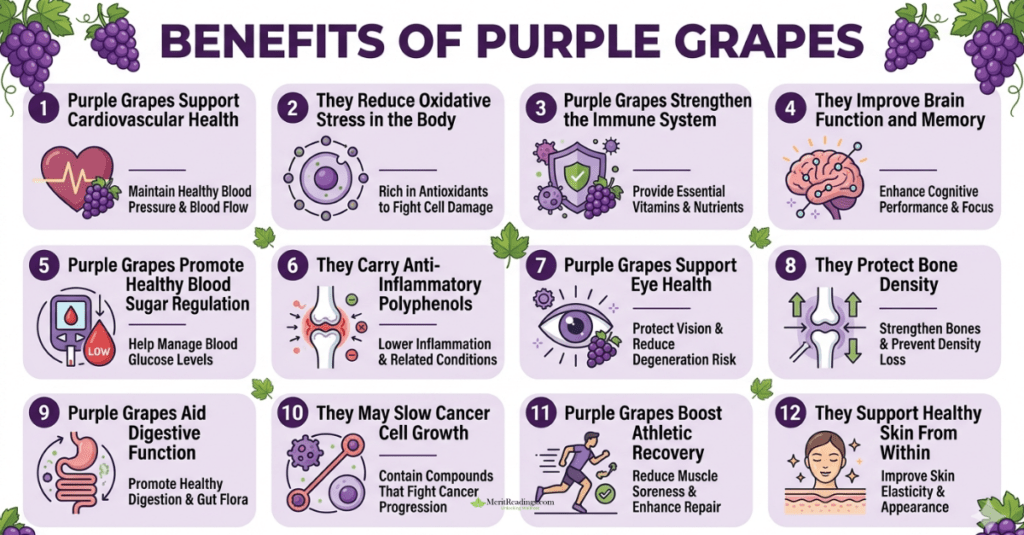
1. Purple Grapes Support Cardiovascular Health
Heart disease remains the leading cause of death globally, and purple grapes address several of its key risk factors simultaneously.
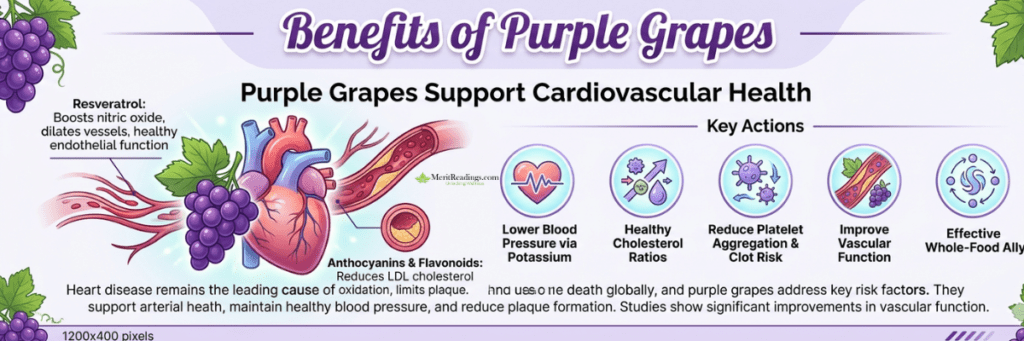
Resveratrol in purple grape skins supports nitric oxide production, helping blood vessels dilate more efficiently and maintain healthy endothelial function. Anthocyanins and flavonoids reduce LDL cholesterol oxidation — the exact process that creates artery-blocking plaque. Potassium in grapes helps balance sodium levels, contributing to healthy blood pressure without pharmaceutical intervention.
Key cardiovascular actions of purple grapes:
- Reduce LDL oxidation to slow plaque formation in arteries.
- Improve blood vessel dilation through nitric oxide support.
- Lower systolic and diastolic blood pressure via potassium.
- Reduce platelet aggregation to lower the risk of clot formation.
- Support healthy cholesterol ratios over time.
Studies show that compounds in purple grapes and Concord grape juice consistently improve vascular function markers in human trials, making them one of the most effective whole-food cardiovascular allies available.
2. Purple Grapes Reduce Oxidative Stress in the Body
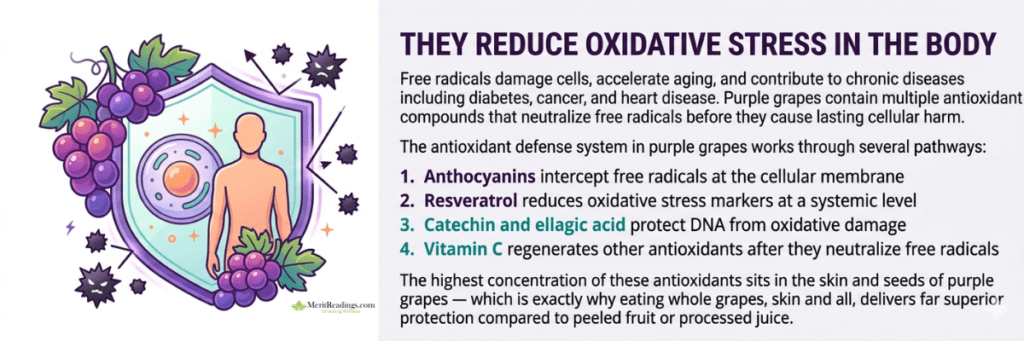
Free radicals damage cells, accelerate aging, and contribute to chronic diseases, including diabetes, cancer, and heart disease. Purple grapes contain multiple antioxidant compounds that neutralize free radicals before they cause lasting cellular harm.
The antioxidant defense system in purple grapes works through several pathways:
- Anthocyanins intercept free radicals at the cellular membrane.
- Resveratrol reduces systemic markers of oxidative stress.
- Catechin and ellagic acid protect DNA from oxidative damage.
- Vitamin C regenerates other antioxidants after they neutralize free radicals.
The highest concentration of these antioxidants sits in the skin and seeds of purple grapes, which is exactly why eating whole grapes, skin and all, delivers far superior protection compared to peeled fruit or processed juice.
3. Purple Grapes Strengthen the Immune System
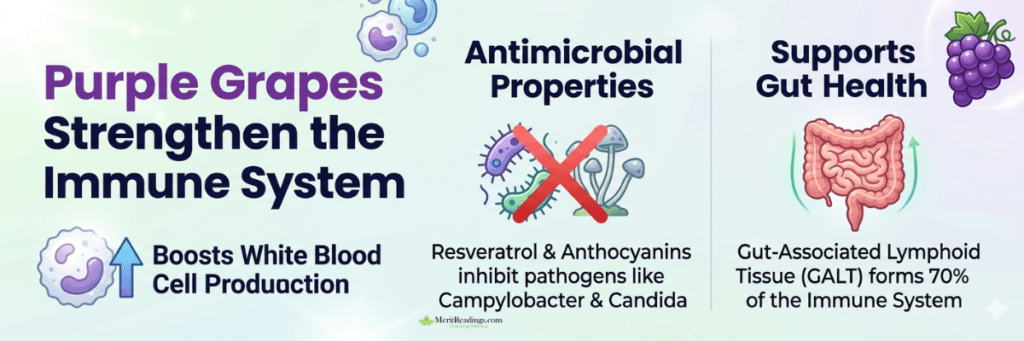
One cup of purple grapes delivers roughly 18% of your daily recommended vitamin C intake. Vitamin C directly supports white blood cell production, enhances pathogen-fighting capacity, and accelerates wound healing and tissue repair.
Beyond vitamin C, resveratrol carries antimicrobial properties that inhibit the growth of harmful bacteria and fungi, including Campylobacter jejuni and Candida albicans. Anthocyanins add another layer of antimicrobial defense. Together, these compounds create a multi-mechanism immune shield that strengthens with regular consumption.
Purple grapes also support the gut microbiome — and since roughly 70% of the immune system resides in gut-associated lymphoid tissue, a healthier gut means a more responsive immune system.
4. They Improve Brain Function and Memory
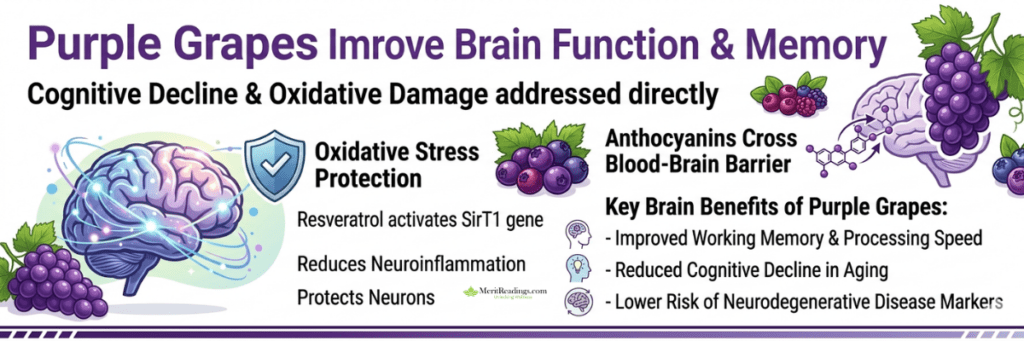
Cognitive decline accelerates with oxidative damage and neuroinflammation. Purple grapes address both directly.
Resveratrol activates sirtuin proteins — including SirT1 — that regulate cellular aging, reduce neuroinflammation, and protect neurons from oxidative stress. This sirtuin pathway links resveratrol to longer lifespans in animal models and improved cognitive biomarkers in human studies.
Anthocyanins cross the blood-brain barrier more efficiently than many other polyphenols, allowing them to reduce inflammatory signaling directly within brain tissue. Research on anthocyanin-rich diets consistently shows:
- Improved working memory and processing speed
- Reduced cognitive decline in aging adults
- Lower risk of neurodegenerative disease markers
- Protection against oxidative damage to neural cells
The brain benefits of purple grapes make them a genuinely functional food — not just a snack — for anyone who wants to protect cognitive health as they age.
5. Purple Grapes Promote Healthy Blood Sugar Regulation
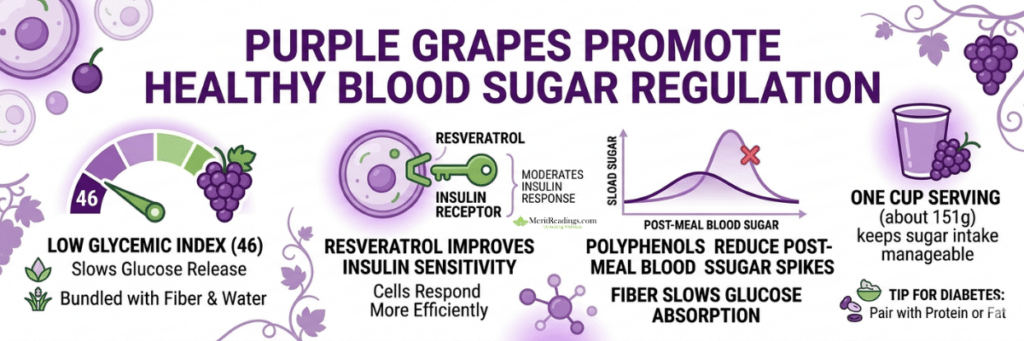
This surprises many people: despite their natural sweetness, purple grapes support healthy blood sugar regulation rather than undermining it.
Purple grapes score a glycemic index of approximately 46 — firmly in the low-GI category. Their natural sugars arrive bundled with fiber, water, and polyphenols that slow glucose absorption and moderate the insulin response. Resveratrol specifically improves insulin sensitivity at the cellular level, helping cells respond more efficiently to insulin signals.
Important points on purple grapes and blood sugar:
- A low glycemic index (46) means slower glucose release than with most sweet foods.
- Resveratrol improves insulin receptor sensitivity.
- Fiber slows the absorption of glucose in the digestive tract.
- Polyphenols reduce post-meal blood sugar spikes when consumed in reasonable portions.
- One cup serving (about 151g) keeps sugar intake within a manageable range.
People with diabetes or pre-diabetes should pair purple grapes with protein or healthy fat to further slow absorption, and limit portions to 1 cup per sitting.
6. They Carry Anti-Inflammatory Polyphenols
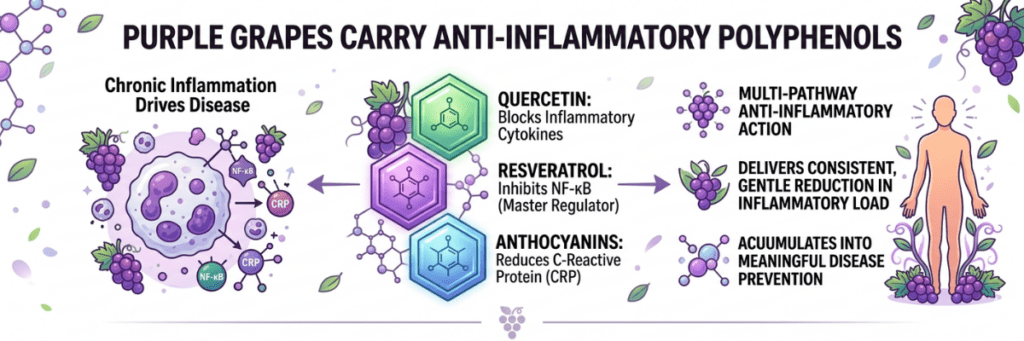
Chronic inflammation drives nearly every major disease — from heart disease and cancer to arthritis and Alzheimer’s. Purple grapes contain a layered anti-inflammatory system built from multiple polyphenol classes working simultaneously.
Quercetin, one of the most studied anti-inflammatory flavonoids, blocks the production of inflammatory cytokines and prostaglandins. Resveratrol inhibits NF-κB — a master regulator of inflammatory gene expression. Anthocyanins reduce C-reactive protein (CRP), one of the most reliable blood markers of systemic inflammation.
This multi-pathway anti-inflammatory action makes purple grapes more effective than supplements targeting a single inflammatory mechanism. Regular consumption delivers a consistent, gentle reduction in inflammatory load — the kind that accumulates into meaningful disease prevention over months and years.
7. Purple Grapes Support Eye Health
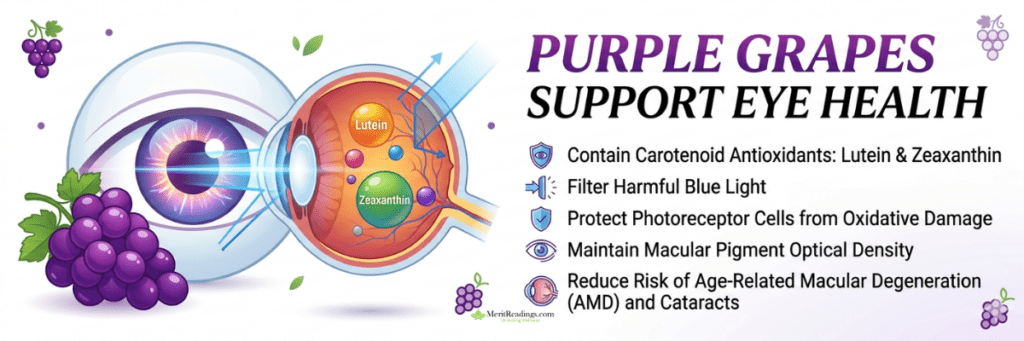
Purple grapes contain two carotenoid antioxidants — lutein and zeaxanthin — that concentrate specifically in the macula of the eye. These pigments filter harmful blue light and protect photoreceptor cells from oxidative damage.
A 16-week randomized trial in older adults demonstrated that grape intake significantly increased macular pigment optical density — a direct measure of protection against age-related macular degeneration (AMD). Higher macular pigment density correlates strongly with lower AMD risk, reduced cataract formation, and slower decline in vision.
Regular consumption of purple grapes supports eye health by:
- Filtering damaging high-energy blue light wavelengths
- Protecting retinal cells from free radical damage
- Reducing the risk of age-related macular degeneration
- Supporting overall retinal pigment integrity
- Lowering glaucoma-related oxidative stress markers
8. They Protect Bone Density
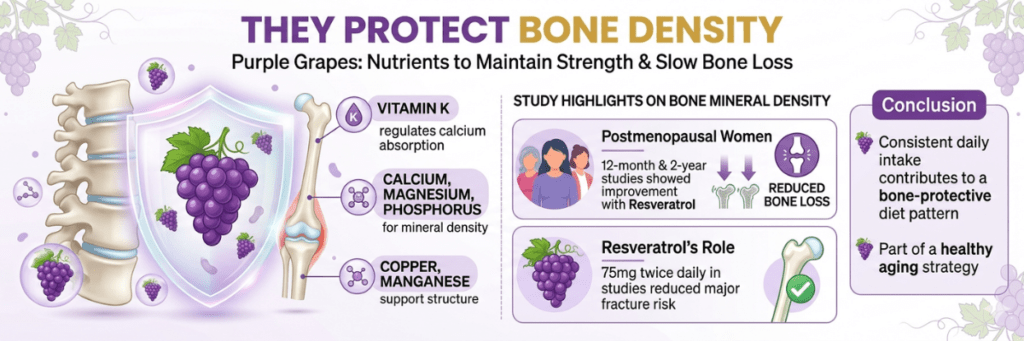
Purple grapes deliver a combination of nutrients that work together to maintain bone strength and slow age-related bone loss.
Vitamin K — present in meaningful amounts per serving — helps regulate calcium absorption and directs calcium into bone tissue rather than arteries. Calcium, magnesium, potassium, phosphorus, copper, and manganese in grapes all contribute to bone mineral density. Resveratrol adds a further dimension: a 12-month randomized controlled trial in postmenopausal women showed that resveratrol supplementation significantly improved bone mineral density in the lumbar spine and femoral neck compared to placebo.
A separate 2-year study found that 75mg of resveratrol twice daily slowed bone loss and reduced major fracture risk in postmenopausal women — a population with the highest osteoporosis vulnerability. While whole purple grapes deliver lower resveratrol concentrations than therapeutic supplements, consistent daily intake contributes meaningfully to a bone-protective diet pattern.
9. Purple Grapes Aid Digestive Function
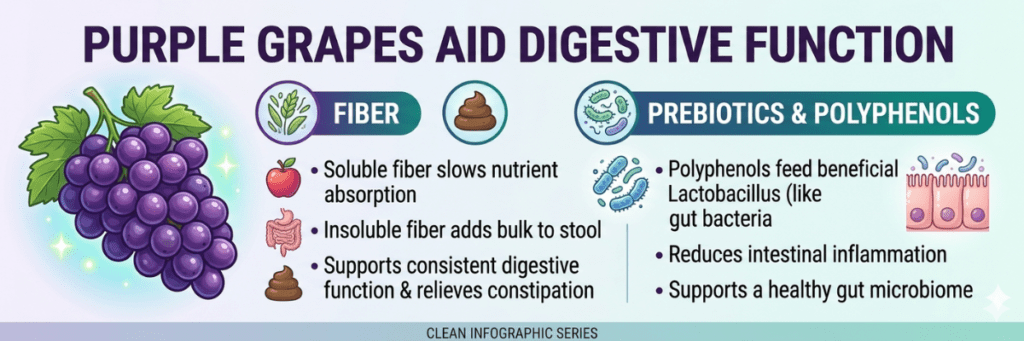
A healthy digestive system underpins every other aspect of health — and purple grapes support it through multiple mechanisms.
One cup of purple grapes provides 1.4 grams of dietary fiber. Soluble fiber forms a gel in the digestive tract, slowing nutrient absorption and feeding beneficial gut bacteria. Insoluble fiber adds bulk to stool and promotes regular bowel movements, reducing the risk of constipation. A human trial testing whole-grape consumption confirmed that the fiber and natural sugars in grapes relieve constipation and support consistent digestive function.
The polyphenols in purple grape skin also act as prebiotics — feeding Lactobacillus and Bifidobacterium strains that produce short-chain fatty acids and reduce intestinal inflammation. This gut-microbiome benefit extends well beyond simple fiber content, making purple grapes a genuine digestive health food rather than just a sweet treat.
10. They May Slow Cancer Cell Growth
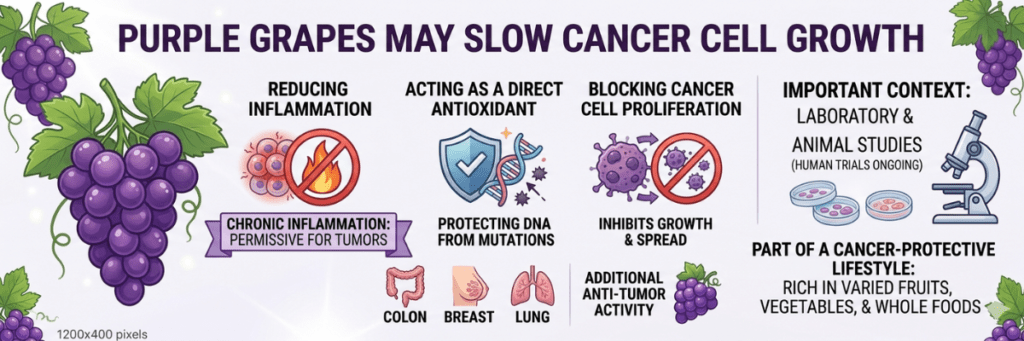
The anti-cancer potential of purple grapes has drawn significant scientific interest, with research identifying multiple mechanisms by which grape polyphenols interfere with cancer development.
Resveratrol demonstrates three key anti-cancer actions in laboratory and animal studies:
- Reducing inflammation — chronic inflammation creates a permissive environment for tumor development; resveratrol interrupts this cycle.
- Acting as a direct antioxidant — protecting DNA from the mutations that initiate cancer
- Blocking cancer cell proliferation — resveratrol inhibits the growth and spread of cancer cells in colon, breast, and lung cancer models.
Anthocyanins, quercetin, and catechin add further anti-tumor activity. Research points to protective effects against lung, colon, and breast cancer specifically.
Important context: most anti-cancer research on grape compounds comes from laboratory and animal studies. Human clinical trials remain ongoing. Purple grapes fit into a cancer-protective lifestyle as part of a diet rich in varied fruits, vegetables, and whole foods — not as a standalone treatment.
11. Purple Grapes Boost Athletic Recovery
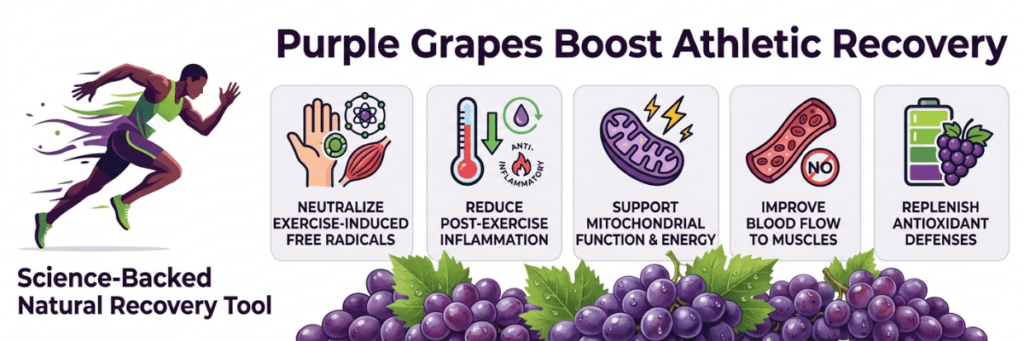
This benefit has direct scientific support from a randomized, double-blind, placebo-controlled, crossover trial published in the European Journal of Nutrition. Researchers tested a single dose of purple grape juice in trained runners and found significant improvements in both physical performance and antioxidant activity compared with a placebo.
Intense exercise generates oxidative stress and muscle inflammation. Purple grapes combat both. The anthocyanins and resveratrol in purple grapes:
- Neutralize exercise-induced free radicals before they damage muscle tissue.
- Reduce post-exercise inflammatory markers to accelerate recovery.
- Support mitochondrial function for sustained energy production.
- Improve blood flow to working muscles through nitric oxide support.
- Replenish antioxidant defenses depleted by intense physical output.
Athletes and active individuals who include purple grapes or Concord grape juice in their pre- or post-workout nutrition tap into a science-backed natural recovery tool.
12. They Support Healthy Skin From Within
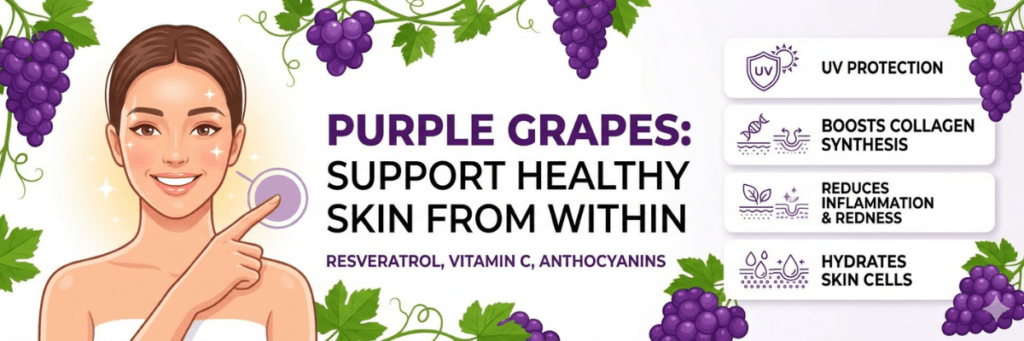
Skin health reflects internal oxidative balance — and purple grapes improve that balance directly. Resveratrol, vitamin C, and anthocyanins in purple grapes work synergistically to protect and support skin at the cellular level.
A human trial testing whole-grape consumption for two weeks found increased resistance to UV-induced skin damage and improved biomarkers of skin health throughout the study period. The mechanisms behind this skin protection include:
- Vitamin C supports collagen synthesis, helping maintain skin elasticity and structure.
- Resveratrol neutralizes free radicals generated by UV radiation and environmental pollutants.
- Anthocyanins hydrate skin cells and reduce inflammatory skin responses.
- Polyphenols collectively protect against photoaging and age-related skin thinning.
Purple grapes support skin from the inside — not through topical application, but through the consistent delivery of antioxidant and anti-inflammatory compounds that protect skin cells before damage occurs.
How Many Purple Grapes Should You Eat Daily?
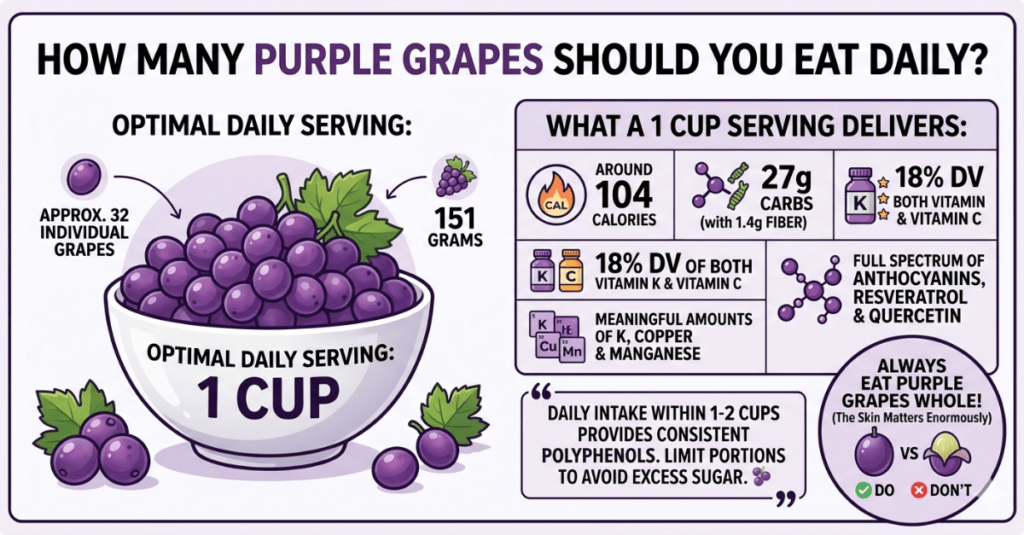
One cup of purple grapes — approximately 32 individual grapes or 151 grams — represents a nutritionally optimal daily serving. This delivers:
- Around 104 calories
- 27g of carbohydrates with 1.4g fiber
- 18% DV of both vitamin K and vitamin C
- Meaningful amounts of potassium, copper, and manganese
- A full spectrum of anthocyanins, resveratrol, and quercetin
Eating grapes daily within this portion gives you the consistent polyphenol intake that drives the health benefits described above. Going significantly beyond one to two cups per sitting adds sugar without proportional benefit. The skin matters enormously — always eat purple grapes whole rather than peeled.
Conclusion
Purple grapes earn their place at the top of the antioxidant-rich fruit hierarchy through sheer biochemical complexity. Anthocyanins, resveratrol, quercetin, catechin, vitamin K, vitamin C, and potassium combine to form a nutritional profile that supports the heart, brain, bones, eyes, gut, skin, immune system, and athletic performance.
No single food prevents disease on its own — but consistently including purple grapes in a varied, whole-food diet builds the kind of long-term antioxidant and anti-inflammatory foundation that science consistently links to better health outcomes. One cup a day, including the skin, gives your body a measurable nutritional advantage.
FAQ’s
Q: Are Purple Grapes Healthier Than Green Grapes?
A: Yes, in terms of antioxidant content. Purple grapes carry significantly more anthocyanins and resveratrol because both compounds concentrate in dark-pigmented skins. A genetic mutation in green grapes prevents the production of anthocyanins, reducing their antioxidant capacity. Green grapes still offer vitamin C and K, but purple varieties provide stronger anti-inflammatory, cardiovascular, and brain-protective benefits across the board.
Q: Can Diabetics Eat Purple Grapes?
A: In moderation, yes. Purple grapes carry a low glycemic index of approximately 46, and resveratrol supports insulin sensitivity at the cellular level. The key is portion control — one cup delivers roughly 23g of natural sugar, so pairing grapes with a protein source or healthy fat further slows glucose absorption. People managing blood sugar should work with their healthcare provider on appropriate serving sizes.
Q: Do Purple Grapes Have More Antioxidants Than Red Wine?
A: Whole purple grapes deliver the same polyphenols as red wine — plus dietary fiber, no alcohol, and fewer calories per serving. Concord grape juice retains high antioxidant activity and represents a strong non-alcoholic alternative. The fermentation process preserves most grape polyphenols, which is why wine carries antioxidant benefits, but whole fruit or fresh-pressed juice remains the healthiest delivery vehicle.
Q: What Is the Best Time to Eat Purple Grapes?
A: Purple grapes work well as a mid-morning snack, a pre-workout energy source, or a post-workout recovery food. Eating them alongside a meal slows sugar absorption. Avoid eating large portions late at night when metabolic rate slows, and glucose clearance becomes less efficient.
Q: Do Purple Grapes Help With Weight Loss?
A: Purple grapes support weight management rather than directly causing weight loss. Their low calorie density (104 calories per cup), high water content, and fiber create genuine satiety. Resveratrol influences fat metabolism at a cellular level, with research showing it reduces fat accumulation in animal models. As part of a calorie-conscious diet, purple grapes make an excellent sweet-tooth satisfier that won’t derail a weight management plan.